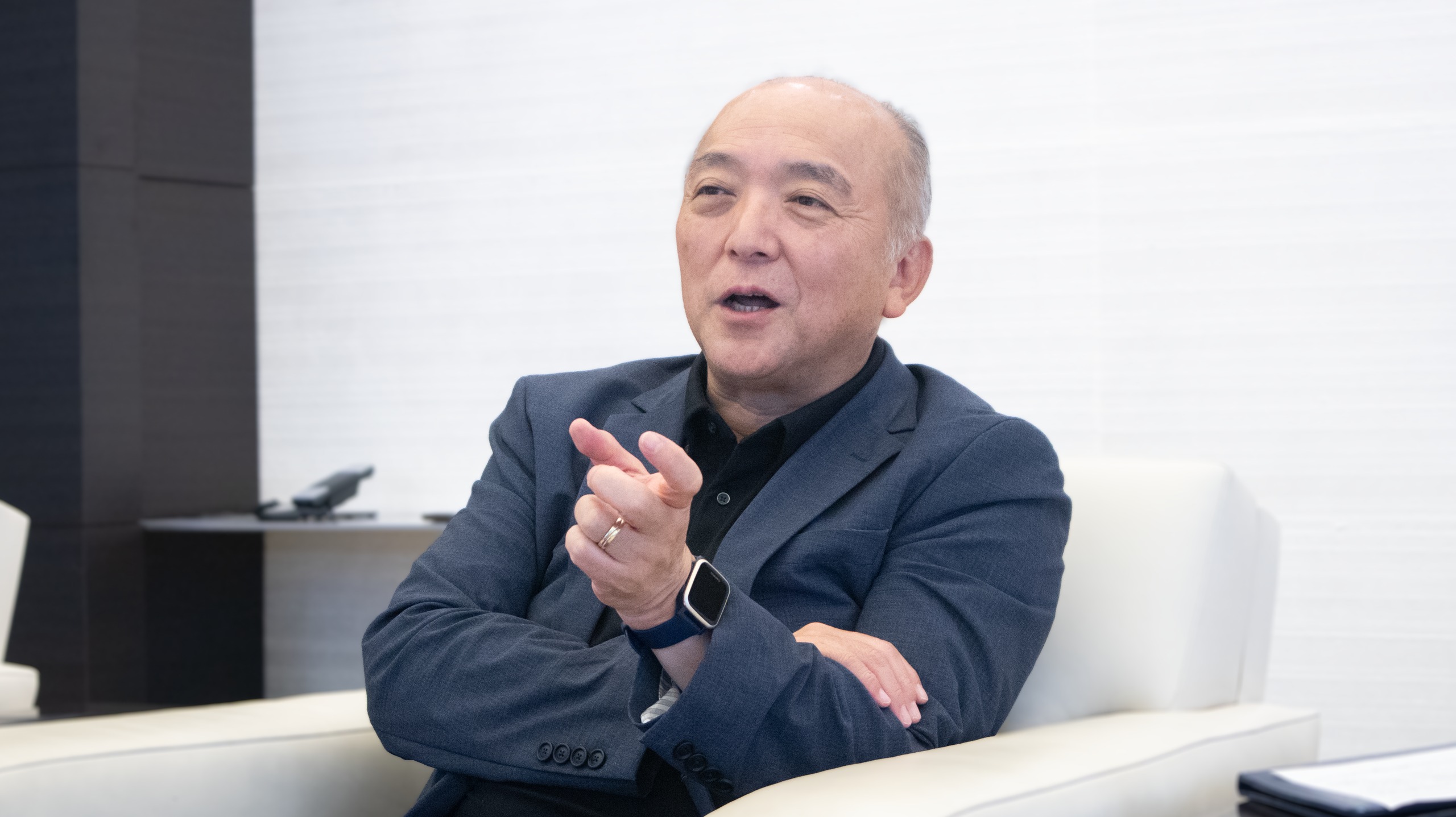
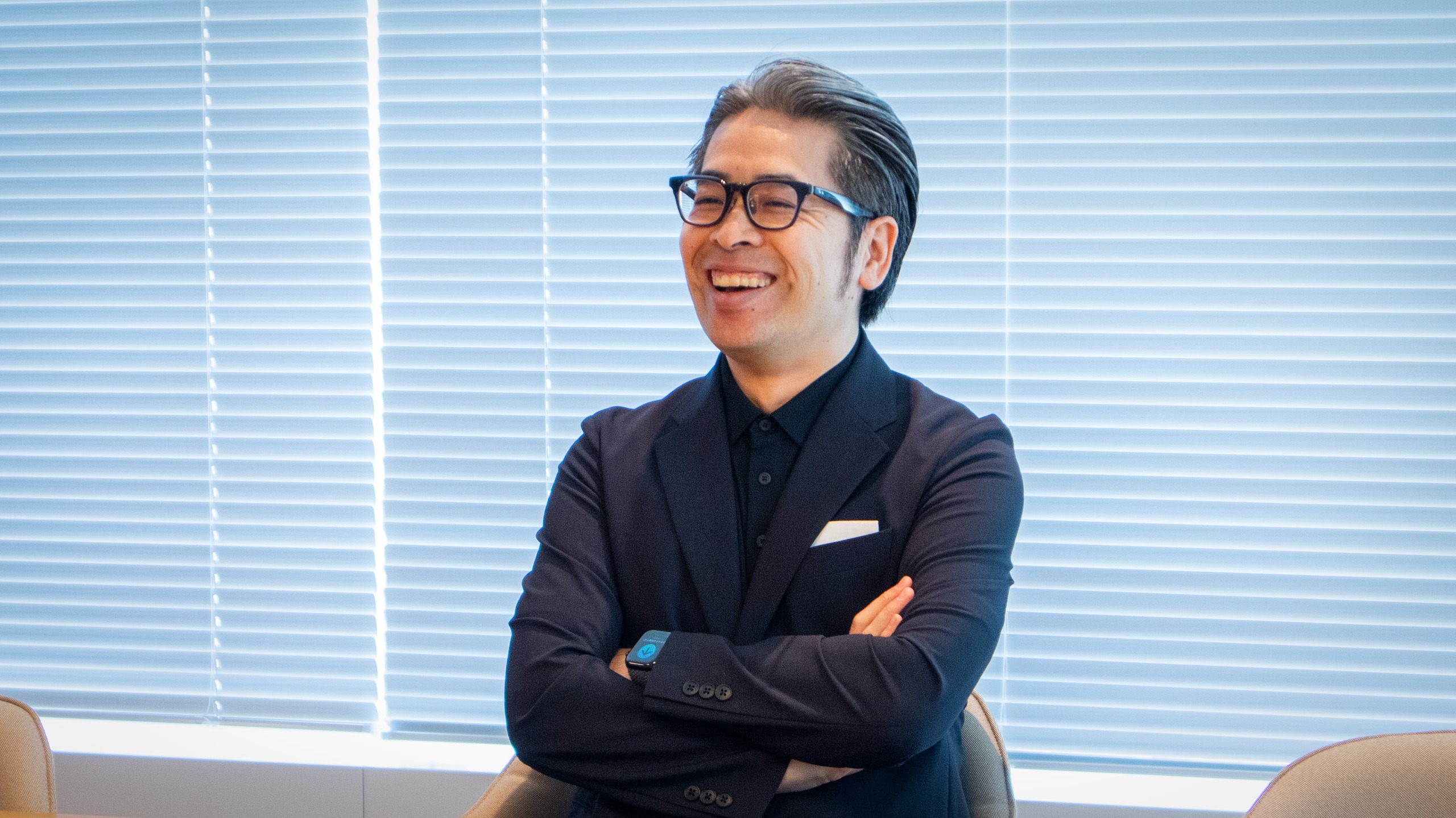
In August 2014, at a time when hardly anyone in Japan had heard of crypto assets, a trading service called “Coincheck” was launched. By 2017, yen-denominated trades accounted for the largest share of bitcoin trading in the world, and Coincheck stood at the center of that frenzy. Co-founder Yusuke Otsuka’s book series, whose title translates as “Bitcoin and Blockchain: Everything You Were Afraid to Ask,” has sold more than 120,000 copies in total. In December 2024, the company listed on Nasdaq as Coincheck Group N.V. Otsuka, Co-Founder / Head of Ecosystem of Coincheck, Inc., has spent his career opening up Japan’s crypto asset industry from the front line.
A boy who once dreamed of becoming a physicist: why did he stake his life on a field people dismissed as “shady,” and what keeps him going today? As the conversation unfolded, the answer emerged in his boundless curiosity about the truth of things, and in the way he observes his own life, a life he hopes “will leave a name in history,” from a step back, as though watching it on a screen.
- “I Wanted to Leave My Name in History” — A Boyhood Spent Admiring Scientists
- Piercings, Long Hair, and a Punk Rock Spirit — Job Hunting on His Own Terms
- The “Hopeless” Salesman — Learning What Moves People
- Two Years Without Pay
- Youthful Days in a Breakneck Boom — At the Center of the World’s Largest Bitcoin Market
- Watching Life Like a Movie — A Boundless Curiosity About the “Truth”
- From Humans to AI — The Golden Age of Crypto Begins Here
“I Wanted to Leave My Name in History” — A Boyhood Spent Admiring Scientists
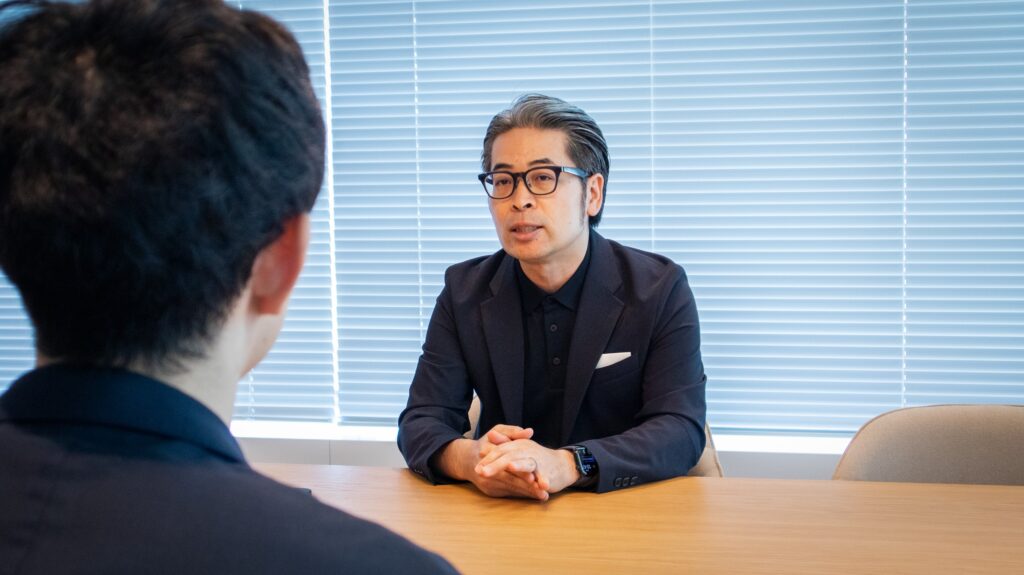
—— Let’s start at the beginning of your career. Could you walk us through the path you have taken, including the reasoning behind each turning point and how you felt at the time?
Otsuka: There’s been a fairly consistent thread running through my life since childhood, so let me start there. From a young age, I admired scientists like Galileo and Newton. They conceived of new concepts beyond everything humanity had thought before them, and even after their deaths, here I was reading their books. I thought that was incredibly cool. So from early on, I had this vague theme for my life: “I want to discover something and leave my name in history.” That’s why I went to graduate school and studied quantum mechanics.
Otsuka: But as I went along, I realized something. There are things you can discover in the era you happen to live in, and things you can’t. In the early 20th century, when the field of quantum mechanics was born, the scientific “discoveries” hadn’t been exhausted yet, so Einstein could discover all sorts of new things. But now the discovering is done, and we’re in the age of application. When I thought about it that way, I began to wonder: “If I keep doing science forever, am I even living in an era where I can discover something new?” There are things about your era that you simply can’t change. I think the same is true when you run a business.
Otsuka: While I was thinking about that, I learned there was another path: rather than making technical discoveries, you could build an industry out of them. I had examples like Akio Morita and Masaru Ibuka, the co-founders of Sony, and I thought, “That’s cool too.” So after years of pure science, I left graduate school, took a sharp turn, and joined Nexway, a company that had been spun out of Recruit, the Japanese media and staffing group.
Piercings, Long Hair, and a Punk Rock Spirit — Job Hunting on His Own Terms
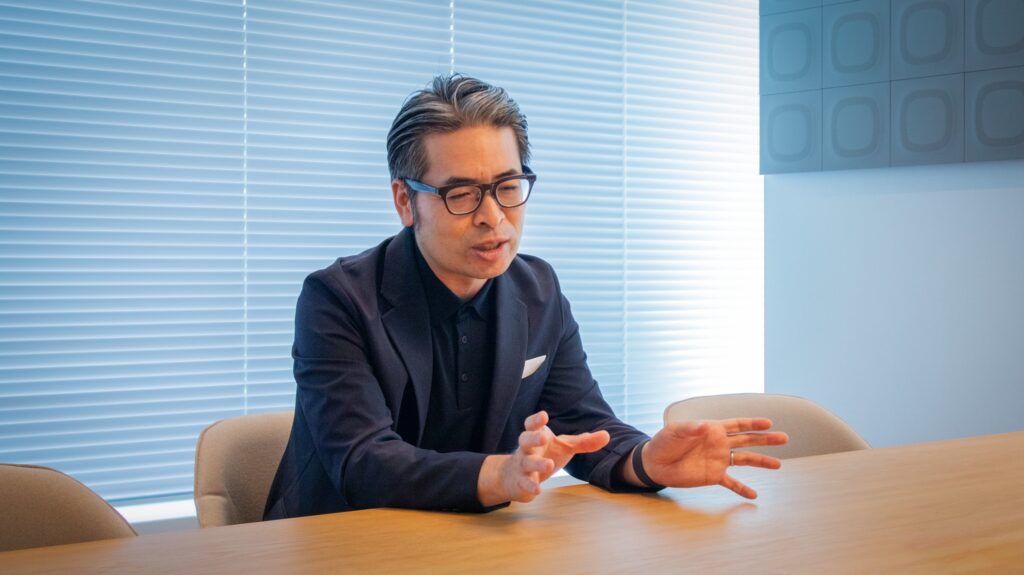
—— Most of the people around you probably went to large corporations, didn’t they?
Otsuka: Everyone went to big companies or foreign banks. But I had little interest in that kind of place. At the time, I had hair down to my shoulders and piercings in my ears, and that’s how I went job hunting.
—— That must have made quite an impression.
Otsuka: Quite a different image from the me you see now. I had been listening to rock and punk for years, and I had this mindset that pandering to the masses was not something to be proud of. So in my job search, I didn’t have the slightest desire to be “hired.” It was more like, “This is the real me. If you like it, I might come work for you.”
—— Hard to picture now. Still, you did join Nexway. What was it about the company that struck a chord?
Otsuka: At the time, nobody had heard of Nexway. It was a company formed when one of Recruit’s business divisions became independent. Few people there felt like company employees in the usual sense. If you could sell, you were recognized, and if the business grew, your pay went up. On top of that, people got involved in your life to an almost meddlesome degree. That resonated with me, and I joined as part of the first class of new graduates. I wanted to go somewhere I could build a new business while I was still young. In fact, all I talked about in my interviews was music. When they hired me anyway, I thought, “This place is cool.”
—— Back then, the belief that “going to a big company is the normal thing to do” was even stronger than it is today. Why didn’t you see it that way?
Otsuka: This gets at something more fundamental. One of my core values is “Never pander to the masses.” Take the conventional wisdom in Japan that students must cut their hair and remove their piercings to go job hunting. If I accepted that on my own terms and did it, fine. But doing it because of outside pressure struck me as deeply uncool.
Otsuka: I even wore a pink Emilio Pucci tie to the company’s entrance ceremony. I knew people would look at me and think, “Isn’t this guy a bit off?” But if I had caved there, I would have given ground I could never afford to give. I had this hard-to-explain feeling that if I gave in to what people around me said, then I would also give in when life got hard.
—— So you really were a punk rocker.
Otsuka: Exactly. Refusing to cave in to those pressures was a form of self-discipline, a kind of training I set for myself. Conventional wisdom was the enemy!
The “Hopeless” Salesman — Learning What Moves People
—— What kind of work did you start with at Nexway?
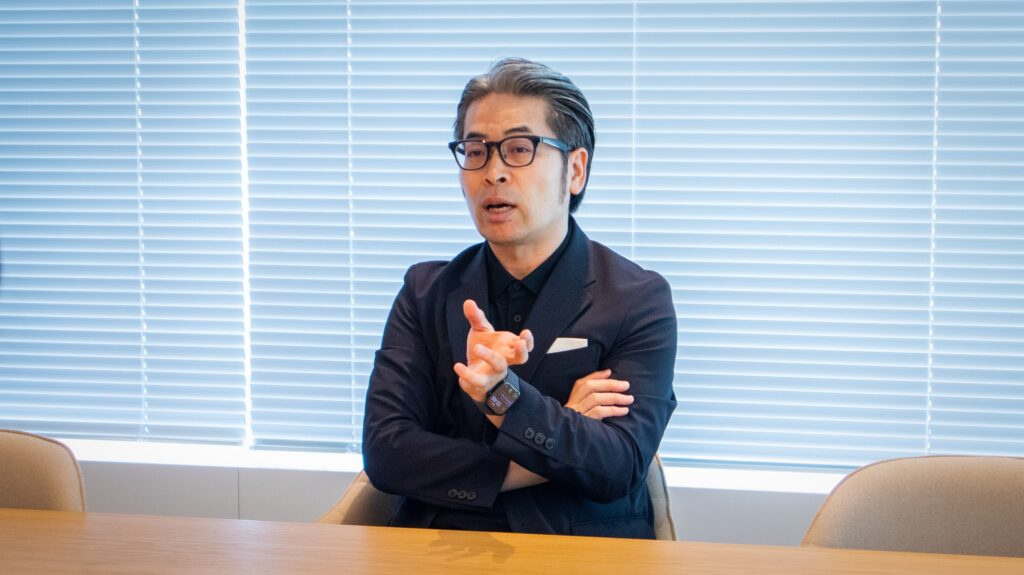
Otsuka: I spent nine years at Nexway, and at first it was pure sales. But I had this contrarian rock mentality, plus I had come through graduate school running on logic alone, so I was hopeless at selling. In my first year, I truly could not sell. I assumed at first that if I made a logical proposal, it would be accepted, because the economy runs on logic. But it wasn’t like that at all. The world is moved by people, and it took me several years to learn what actually moves people.
—— How did you eventually start selling?
Otsuka: In my second year, I raised my hand and said, “I want to start a new business,” and partly because I was in the first class of new graduates, they gave me a chance. The three of us, a colleague with 20 years at the company, another with 10, and me, were given the go-ahead to build from scratch what we would now call SaaS, and what was then called an ASP, an application service provider. That said, the senior members were on the planning and management-reporting side, so in practice I was the only one actually selling. On a floor where the planning staff worked quietly, I made call after call and got turned down over and over.
—— When did the turning point come?
Otsuka: For about six months, people gave us a pass: “Well, it’s a new business.” But past the six-month mark, a mood started spreading inside the company: “Is this business going to be all right?” Enormous pressure fell on the three of us, and nothing would move unless I sold. So I threw myself at it, visiting customers almost every day. The result, and I still remember it, was that a nationwide cosmetics retail brand decided to adopt our service. The IT department head who made the decision told me, “Mr. Otsuka, you kept coming here as if you were one of our own employees, and your enthusiasm came through.” Replacing an internal system was a major decision, and he stuck his neck out and persuaded his company for us. That was when I realized, “This is what moves people, and that’s what wins the deal,” and “What moves people isn’t money or price.” I learned an enormous amount from that customer.
Otsuka: By my third year, I had done enough sales to find my own winning pattern. I started selling, and the business turned profitable. So they put me on stage at an award ceremony held in a rented hall and gave me a company-wide award. And I cried. At about 28! Everything welled up at once: the version of me that couldn’t do it, the pressure I had put on myself to “do something about this business,” and the fact that we had made it through all that to build a product that delivered value to customers. I was supposed to make remarks on stage, and the words wouldn’t come. My teammates, who had seen how much I struggled, were in tears too. That company-wide award was the moment I first felt how rewarding it is to get results in business.
Two Years Without Pay
—— In your later years at Nexway, we understand you were also involved in business planning and product development. How did you make your way into the startup world from there?
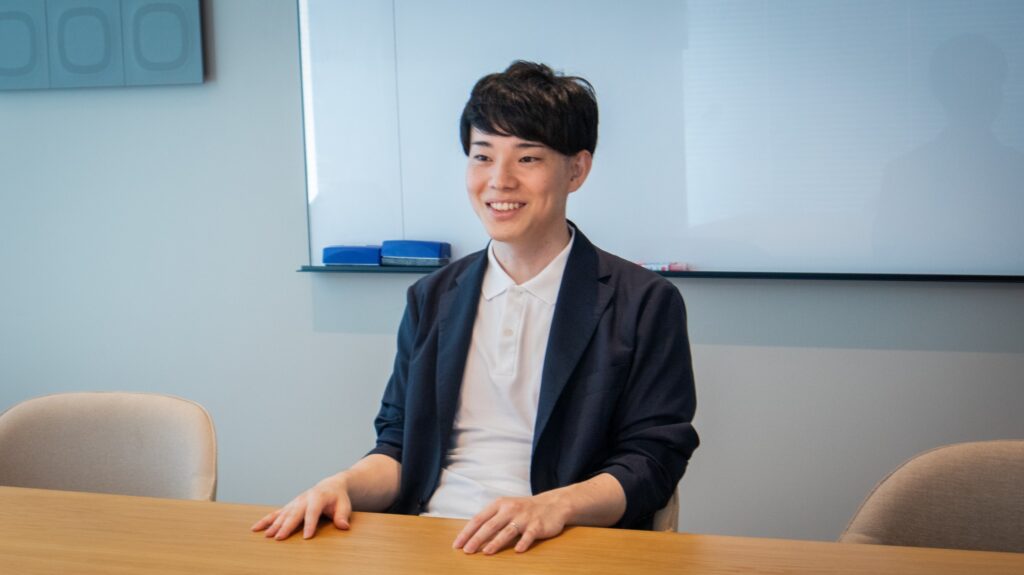
Otsuka: Around my seventh year, a desire to take more control and build things myself grew stronger. So while still employed, I started showing up night after night at places where entrepreneurs gathered. I had nothing to offer yet, so I was looking for ways I could contribute. I suppose I already sensed that I would start a company someday.
—— And that’s where you met Koichiro Wada and the others.
Otsuka: I met all kinds of entrepreneurs in that scene, but to be honest, I didn’t feel much of a connection with most of them. The ones who clicked were three people: Wada, James Riney, and Takuro Mizobe. At ResuPress, the company that would later become Coincheck, they were running “STORYS.JP,” a site where people write the stories of their lives. It looked interesting, so I signed up. Then, at around 11 at night, I suddenly got a message from James: “Can you come by tomorrow around 8?” I went the next morning, and there were the three of them. We talked, and we got along incredibly well.
Otsuka: At the time, Takuro was 22, Wada was 21, and I was 31. James could raise money, and Takuro and Wada were engineers who could build things, including the design. I was thinking that this team could use someone a little older who could communicate well with the outside world, when James asked, “Can you come next week?” I said, “Sure.” That was the start of two years of working on STORYS.JP without pay.
—— Why do you think you hit it off so well despite the roughly ten-year age gap?
Otsuka: Fundamentally, the four of us weren’t really close friends in the usual sense. To this day we don’t hang out together, and our hobbies are different. But we shared one value: when it came to a goal, we all wanted to deliver results. When Takuro asked what my favorite book was, I named “Fermat’s Last Theorem,” and Takuro and Wada said in unison, “That book is incredible.” Having mathematics and physics as a common language made running the company together much easier.
—— How did you support yourself during those two unpaid years?
Otsuka: I kept working at Nexway. I worked there during the day, then worked on STORYS.JP from 6 to 8 in the morning and from 8 at night until about 2 a.m. The product hadn’t reached PMF, product-market fit, the point where the market has truly accepted it, and I figured that if I joined officially before then, we would burn through our money faster. On top of that, I was married and had bought a house, so I had a mortgage. So I decided the double life was fine until we reached PMF.
—— That’s a punishing schedule. What was your role within the team?
Otsuka: At first, actually, I held back from commenting on the product, out of deference, because I had joined a few months after the others. Then one day Takuro really let me have it: “Why don’t you put forward any ideas, Mr. Otsuka?” When I answered, “I’m being considerate,” he said, “That’s pointless.” Their thinking was that I was there to make the product succeed, so not contributing ideas had no value. What I realized then was that age doesn’t matter. What matters enormously is working with people who share your values and have different abilities from yours.
—— And from there, why crypto assets?
Otsuka: STORYS.JP grew nicely for a while, but then growth became merely linear, and we began thinking about the next business. Next, based on my idea, I had Wada build a business social network called “UNITE.” Users increased, but activity didn’t, and we pulled the plug after a month. What we learned there was: “Unless it’s a problem Wada himself genuinely feels, the product can’t win.” So the next time, when Wada said, “I’m thinking of doing this bitcoin thing,” we decided to just try it. Then Wada said, “In that case I’ll be building the product for a month, so you won’t be able to reach me,” and he really did go dark for a month and just built.
—— He kept his word, then.
Otsuka: Then, a week before launch, a message suddenly arrived: “Mr. Otsuka, the product’s done, so please write the press release.” And I wrote a press release that same day for a service I had never laid eyes on. That was August 2014.
—— Starting from that point, how were you able to judge that it could work?
Otsuka: At the stage we launched the service, I had no idea whether it would work. But as we went, we filled in all the information we were missing. First, there’s the idea that what happens in Silicon Valley happens in Japan a few years later, what we in Japan call “time machine management.” At the time, Coinbase in the United States had raised a large round and was growing. Second, in an adjacent industry, Japan’s FX market, foreign exchange margin trading for retail investors, was among the largest in the world. And third, the law. After the collapse of Mt. Gox, the Tokyo-based bitcoin exchange, I found a member of the Diet, Japan’s parliament, who had put out a paper on the handling of crypto assets, and I sent him a direct message on Twitter. Wada and I went to the Diet members’ office building to hear what he had to say, and it became clear that the ruling party at the time had little intention of regulating the field and wanted to nurture it as an industry. That’s when I understood that this would grow into a proper industry.
—— That was a remarkable read of the situation.
Otsuka: Wada and I did nothing but gather that kind of primary information. We tried every competing service, and we met the presidents of competitors and lawmakers in person. When you do that, you start to see that there is the information visible from outside, and then there are the “hidden truths” that only the people on the inside know. In our case: that the ruling party of the day had no intention of regulating, and that once we launched, users and deposits just kept growing. Back then, the world was saying, “Bitcoin is a scam,” so big companies stayed away. For us, who knew the hidden truths, it was a blue ocean, and our conviction kept growing stronger.
—— There were already competitors, though.
Otsuka: Coincheck was the last of the independent players to enter. bitFlyer, BTCBOX, and etwings, which later became “Zaif,” were already there. But when I tried them, I felt there was still a great deal of room for improvement in terms of ease of use. So we judged it was a field we could win if we brought in the UX, the quality of the user experience, that we had honed at STORYS.JP, and we went in. Regulations hadn’t been put in place yet, and we made the flow for opening an account and buying bitcoin clearer and simpler than any other provider’s. So users who had nowhere to go after Mt. Gox collapsed naturally gravitated to us.
—— How did you handle fundraising?
Otsuka: We were living carefully, very carefully, on the 30 million yen we had raised in the STORYS.JP days. Wada was the only one drawing a salary, and I got nothing. Around the second year after we launched Coincheck, we finally decided we had to raise money, but at the time there wasn’t a single VC, a venture capital firm, investing in bitcoin. We were told, “Stop that scam,” and couldn’t raise anything at all. The one exception was Satoshi Takagi of Ceres, who said, “Name the amount. I’ll invest.” Takagi understood crypto well and was betting on the field. Ceres ended up investing in us, and it truly saved us.
Youthful Days in a Breakneck Boom — At the Center of the World’s Largest Bitcoin Market
—— When did the service really begin to take off?
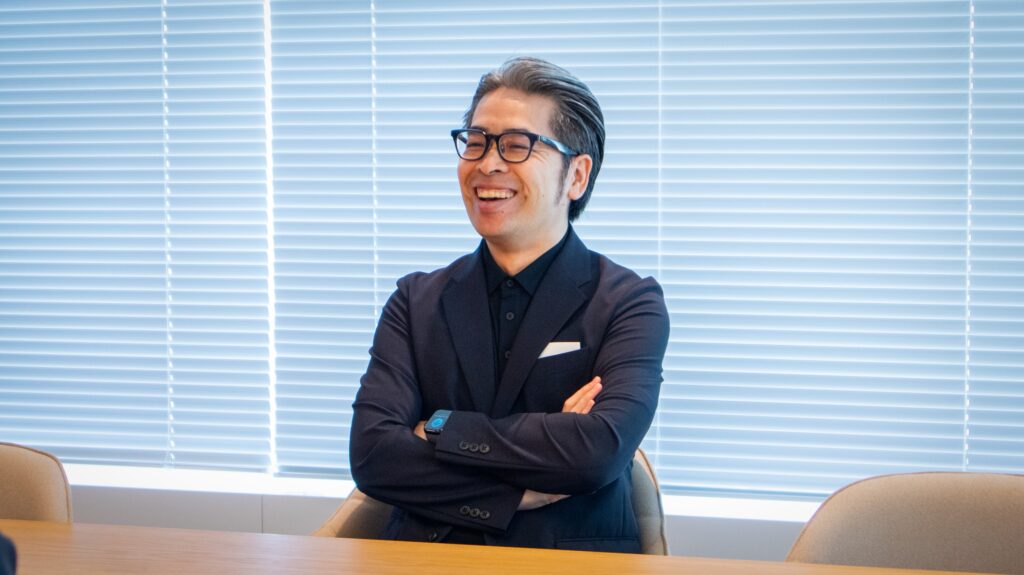
Otsuka: Around 2016 to 2017. With ICOs, initial coin offerings, every altcoin, meaning crypto assets other than bitcoin, surged at once, and we rode that wave. Even then, our team, engineers included, was five or six people. Since we started Coincheck, the business has had four tailwinds. The first was when we made it possible to buy crypto assets through an app; that was in 2015. The second wave came around 2017, when altcoins like Ethereum and XRP boomed. One thing from that period I still remember well is a token called “Augur.” We said, “Let’s be the fastest in the world to list it,” and we stayed up all night watching for Augur to be issued. The moment it was, we pulled it into the system and started selling it on Coincheck.
Otsuka: That very day, there was a massive leak from the office ceiling. Water pouring in over there, people shouting “Augur’s out!” over here, and in the middle of all that chaos we kept working on the release. Looking back, those were our glory days. It was tremendous fun.
—— What a memory. In 2017, the frenzy reached the point where yen-denominated trades made up the largest share of bitcoin trading in the world. What was the atmosphere like inside the company, at the heart of it all?
Otsuka: We were far too busy to notice. We worked from morning to night, running on adrenaline. People kept joining, the office got cramped, and the numbers just kept climbing. We shared the gains with employees, so it was a setup where hard work came back to you as a reward.
Otsuka: Around that time, media all over Japan were starting to ask, “What is bitcoin, anyway?” Since explaining it would itself expand the market, I handled media relations. But I was clearly overworking. My assistant told me, “Mr. Otsuka, you were talking in a daze, like a wind-up doll.” I had repeated the same explanation so many times that I had it memorized.
—— What were the third and fourth tailwinds like?
Otsuka: The third, which overlapped in timing with the second, was the boom in ICOs, initial coin offerings, which are a way of raising funds by issuing tokens. New tokens were issued on the Ethereum chain one after another, and the whole market took off at once. The fourth was the rise in crypto asset prices that went hand in hand with the NFT boom from late 2020 through 2021. One of the triggers was the launch of “CryptoKitties,” a game on Ethereum in which people collected and traded NFTs of cat characters. To buy those NFTs, everyone started buying Ethereum. I think what separated the companies that grew from the ones that didn’t was whether they could catch these tailwinds and adapt themselves to them. To add to that, the crypto industry in Japan and abroad has since gained new tailwinds: the bitcoin halving in 2024, the start of the Trump administration in the U.S. in 2025, and in Japan, the passage this year of an amended law bringing crypto assets under the Financial Instruments and Exchange Act, along with progress toward moving the taxation of crypto trading gains from aggregate taxation to separate self-assessment taxation. I think these can all be called tailwinds too.
—— To get back to your story, though, the way you threw yourself into work while those tailwinds were blowing sounds hard on your health, to put it mildly.
Otsuka: I realized this was getting dangerous, and I had an assistant start managing my schedule. At first I thought, “Having an assistant feels self-important. I don’t like it.” But Wada told me, “Mr. Otsuka, you’re going to become a single point of failure,” and I had to admit he was right. Back then, Wada handled development and I handled everything else, hiring and PR included. From there, I gradually started handing work and authority over to other people. That was around 2017.
—— At the time, it was rare for Japan to be at the center of the world in any cutting-edge field. Why was it Japan, specifically, where crypto assets grew so much?
Otsuka: Two reasons. One, and I’ll say this at the risk of being misunderstood, is that Japan had both a culture that enjoys speculation and the assets to put into it. After all, Japan’s FX trading volume is among the largest in the world. I think that’s another hidden truth. The other is the “Lost 30 Years,” Japan’s long economic stagnation after its asset bubble burst in the early 1990s. People in their 30s and 40s who had never experienced the Japanese stock bubble had their first taste of a bubble through crypto. Their assets grew while they slept, and for the first time they realized, “So investing actually makes money.” That’s why money flowed into crypto assets.
Otsuka: Into that, Coincheck brought a way to buy bitcoin with a single app. In my words, it was the “consumerization” of investing, making it something anyone can use. If you can fully turn a difficult technology into a product anyone can use, the value of the company rises enormously. Every company growing in Silicon Valley is like that. So we always said, “Let’s make a friendly product that parents of elementary-school kids, people who have never invested before, can use with ease.” If only business people in Tokyo could use it, it was too difficult. You always want your own product to be “cool,” but the real contest was whether we could properly meet the majority where they were. Wada built the product on that philosophy, and I handled the explaining and the marketing. That’s why Coincheck’s TV commercials were as thoroughly simple as it gets: Tetsuro Degawa, a comedian known to every generation in Japan, just repeating the service’s name over and over.
Watching Life Like a Movie — A Boundless Curiosity About the “Truth”
—— So far we have heard about the parts that went well. There must have been hard times as well.
Otsuka: Of course. Where there’s upside, some downside is inevitable. Honestly, so much happens that goes beyond anything you could understand or imagine. All you can do is deal with it one thing at a time, but getting through it with Wada, the two of us saying, “This is bad, isn’t it?” and “What do we do?”, gave us a kind of fulfillment, like we were giving it everything we had. If you take the hard times too seriously, they wear you down. Taking serious matters seriously without letting them weigh too heavily on your mind, and seeing them through, is really important for an entrepreneur.
Otsuka: Having partners matters too. I tend toward negative thinking, so if I had been alone, I think it would have crushed me. But I had Wada. When I had thought a serious problem through to exhaustion, Wada would say, “There’s no point thinking about it any more. It’ll work out.” And I’d go, “Really? That’s fine?” But it was good that he would say that.
—— Stepping back and finding enjoyment in any situation. Where did you acquire that stance?
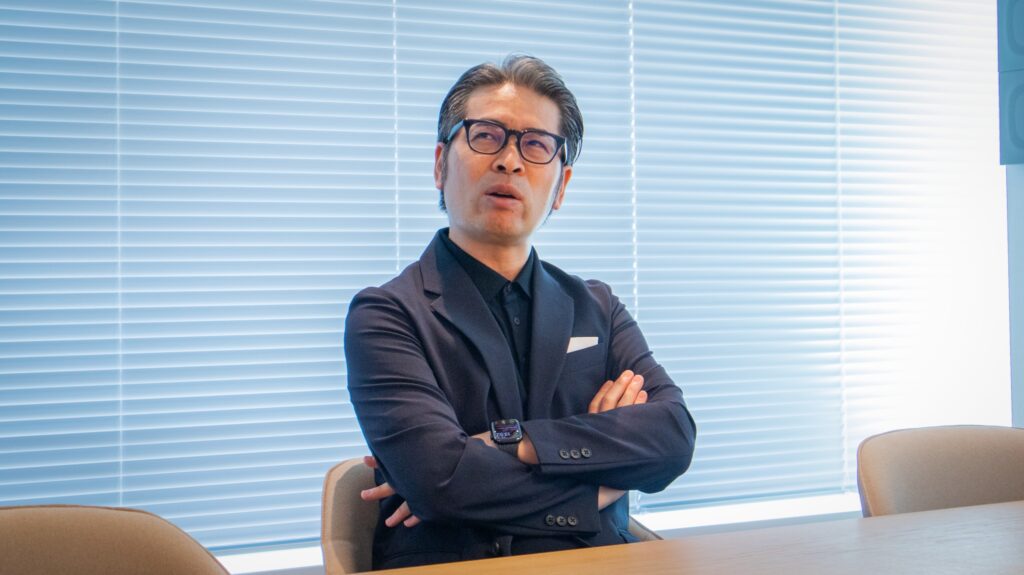
Otsuka: As a kid, I watched a huge number of movies. Science fiction, suspense. I also read a lot of manga and biographies, and somewhere along the way, I came to see my own life as if it were a movie. Every autobiography has its arc, and the deeper the hardship, the brighter the glow that follows. So when a dramatic situation hits me, I can think, “In movie terms, this is the part where I come back and become the hero,” or “This is just the middle of the story in my own movie.”
Otsuka: I have deep respect for Sony. Both Masaru Ibuka and Akio Morita went through hardships we can’t even imagine. In business, in sports, in scholarship and the arts, in every field, we have what we have today because those who came before struggled to open the way. I have great respect and admiration for them, and there’s a part of me that keeps asking, “In business, can I do what they did?”
—— Among all the films you have watched and books you have read, is there one story that has stayed with you in particular?
Otsuka: “Fermat’s Last Theorem,” which I mentioned earlier. It tells the history of the many mathematicians who staked their lives on a theorem that no one could prove for centuries. Some of them kept confronting it for years without anyone recognizing their work. When I read that, I asked myself, “Could I keep facing the same problem without recognition from anyone?” They did it not for fame or prize money, but simply because they wanted to prove it. Compared with the beauty of that kind of devotion, my own ten years don’t feel like anything worth talking about yet.
—— Your points of comparison have always been the greats, then.
Otsuka: I have no real desire to live a long, quiet life. Even if it’s short, I want to make a big impact. I suppose I want to become a legend! To put it more plainly, since I was small I’ve wanted to “become a unit.” Like one newton, or one curie. That means leaving something universal in the world that lasts forever. So I’m not very interested in the company getting big, or in getting rich. The physicist Yasunori Nomura has said that Einstein could publish one history-making paper after another because he lived in the early 20th century. That’s how conscious you have to be of the era you live in when you decide your theme, and I thought, “This applies exactly to companies too.” In a life spent thinking about which era I live in and where I can deliver the greatest value to society, crypto just happened to be there for me.
—— Did that outlook and way of thinking come from the adults around you as a child, or from the environment you grew up in?
Otsuka: Not at all. My father was a company employee whose attitude was, “As long as we eat well and live happily, that’s enough.” My mother only wanted me to “stay healthy,” and she never once told me to study. My sister loves handicrafts. My family says, “We have no idea how he turned out this way.”
Otsuka: It’s not as if I read a great deal as a child, either. But movies, the kind shown on television, like “Friday Road Show,” a long-running Friday-night movie program in Japan, I soaked up like a sponge. I grew up in Gunma, a prefecture north of Tokyo, and as a kid, there’s that hierarchy where the ones who are good at sports get attention and the fast runners are the cool ones. I thought, “I don’t want to live inside this hierarchy forever,” and I had a strong feeling that I had to escape from it somehow. But that kind of talk didn’t land at home, so I rarely spoke about it, and my family often said, “We can’t tell what he’s thinking.”
—— You have an unusually strong ability to look at yourself from the outside. Where do you think that was cultivated?
Otsuka: Looking back now, I think I was watching movies and measuring myself against them. Beyond that, before I know it, I’m thinking about everything I love, physics, rock, movies, at a higher level of abstraction. Then there are moments when I realize, “This and this have something in common.” That’s incredibly enjoyable, and it gives me the feeling of having “noticed a truth about the world.” Digging deep into various fields and watching my hypotheses connect, I was playing it as a kind of game. And then I applied it to life as well.
Otsuka: Nobody taught me this. I simply enjoy thinking about these things before I fall asleep every night. In business too, at the moment you start, everything is variables. As you gather primary information, the variables get filled in. Conversely, when I run out of themes to think about, my days become terribly dull.
—— “Input” seems to be a key word for describing you. Even now, you take in a tremendous amount.
Otsuka: “I want to know.” That’s all. I read about five books on the same theme. Then I can see, “Ah, they’re all saying the same thing.” There must be a reason why the great books we call “classics” have been read for generations. If the world is moved by people’s emotions, then what moves people’s emotions? I just want to know those truths about humanity. At the company, people often say I take in a lot, but for me it’s as natural as breathing.
From Humans to AI — The Golden Age of Crypto Begins Here
—— We have been talking about the past. We would also like to hear about the future. With AI and blockchain transforming the world, where does this industry stand today?
Otsuka: For the industry as a whole, crypto has only just finished its prologue. Bitcoin was born, then crypto assets of every quality, good and bad, then came the Web3 wave, and now the next wave, on-chain finance, meaning finance that runs entirely on the blockchain, is coming into view. Exchanges like Coincheck, in other words the applications, and wallets are now in place. And next, an era is right in front of us in which “this may be technology and infrastructure not so much for humans as for AI agents to use.”
Otsuka: So everything up to now has probably been the prologue. From here, we enter the golden age. Those of us doing the work can see it, but from outside, it looks like, “Crypto is over, isn’t it?” I think that gap is, in fact, a huge blue ocean, so I hope the people doing this work keep believing and keep going.
—— Within that, what role will you yourself take on?
Otsuka: When it comes to execution at Coincheck, we have many talented people, starting with our current president. On the other hand, there are things only a founder can do. Talking, as I’m doing now, about where the future is headed. Recruiting people with strong execution who find that vision compelling. And bringing what I hear from the many people I talk to outside back into the company, because when you’re focused on execution, it’s hard to see what’s going on beyond it. That’s where I expect to spend a great deal of my time.
—— Going forward, what kind of people do you want to work with?
Otsuka: First, people who share the vision of the future of AI and crypto. You’re staking your time and your life on it, so if you can’t believe in it, it becomes just a job. By joining us, that person also becomes part of Coincheck’s history. I’d like people who find that enjoyable in the context of their own lives.
Otsuka: I think there are two kinds of work. One is earning your daily living. That’s necessary, but on its own it’s dry and flavorless. I believe it’s better to be able to say, “This is what I accomplished at this moment in history.” That’s something you have to arrive at yourself. As I said earlier, crypto is entering its golden age from here. I want people who can think it would be “fun” to devote ten years of their life to that era. It comes down to whether you can believe in it, and we want to keep speaking to people so that they can.
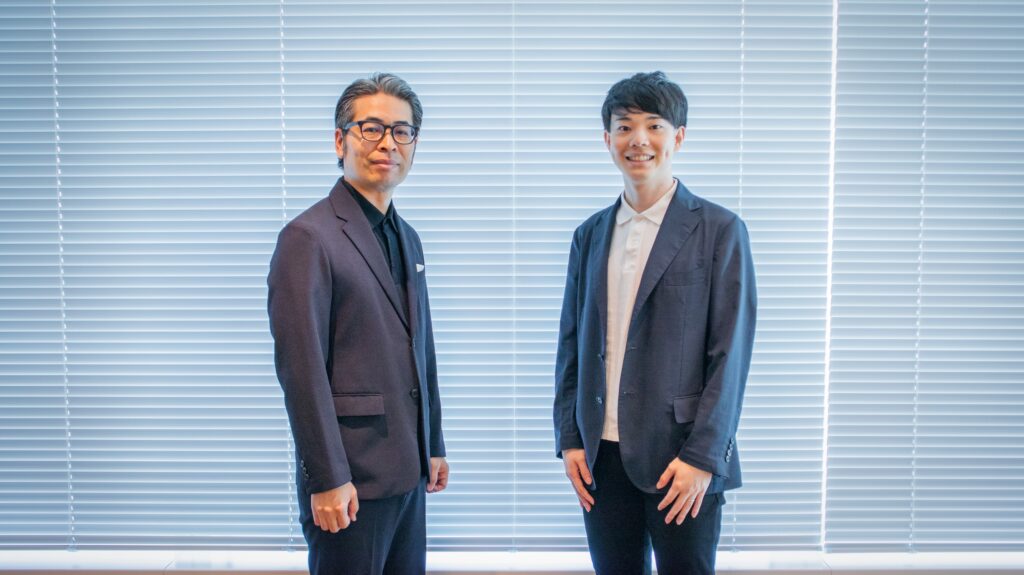
Watching life as a single movie. The boy who watched Friday Road Show in Gunma admired scientists, read the era and became a businessman, met partners who could chase results alongside him, and found himself writing the press release for a service that would go on to shake Japan's crypto asset industry. Otsuka has run through each of those scenes as though they were scenes in a film of his own. Treating even hardship as "the middle of the story," and never ceasing to pursue the truth, that way of seeing has been the driving force behind his bet on a crypto field that has so often faced headwinds.
"I want to discover something and leave my name in history." The boy's wish has carried through, unchanged, from scientific discovery to building a business. Crypto's golden age is only beginning. And Otsuka's story, too, is still in the middle.
* This interview was conducted in Japanese. Pacific Meta translated the original Japanese article into English.